

Binding and editorial finishing
Different binding and finishing techniques determine the appearance, durability, and functionality of a book or illustrated volume. At Errestampa, we offer a wide range of solutions, from simple perfect binding to premium hardcover books, from slipcases to special solutions for photo books and catalogues.
Every design choice affects both aesthetics and durability, enhancing content and images according to the needs of each editorial project. All processes are carried out with constant care and quality control to ensure precision, attention to detail, and consistency with the highest standards.
Perfect binding / sewn binding
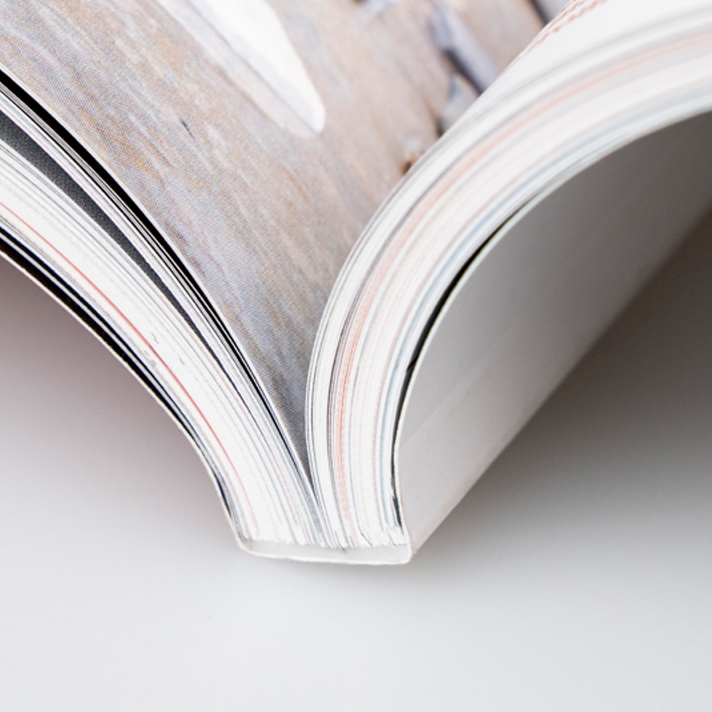
Used for books and booklets through the application of a paper or cardboard cover glued to the spine of the book block.
In perfect binding, the pages are glued directly after milling the spine, while in sewn binding the sections are first stitched together and then glued, resulting in greater durability.
Sewn hardcover binding with square/rounded spine
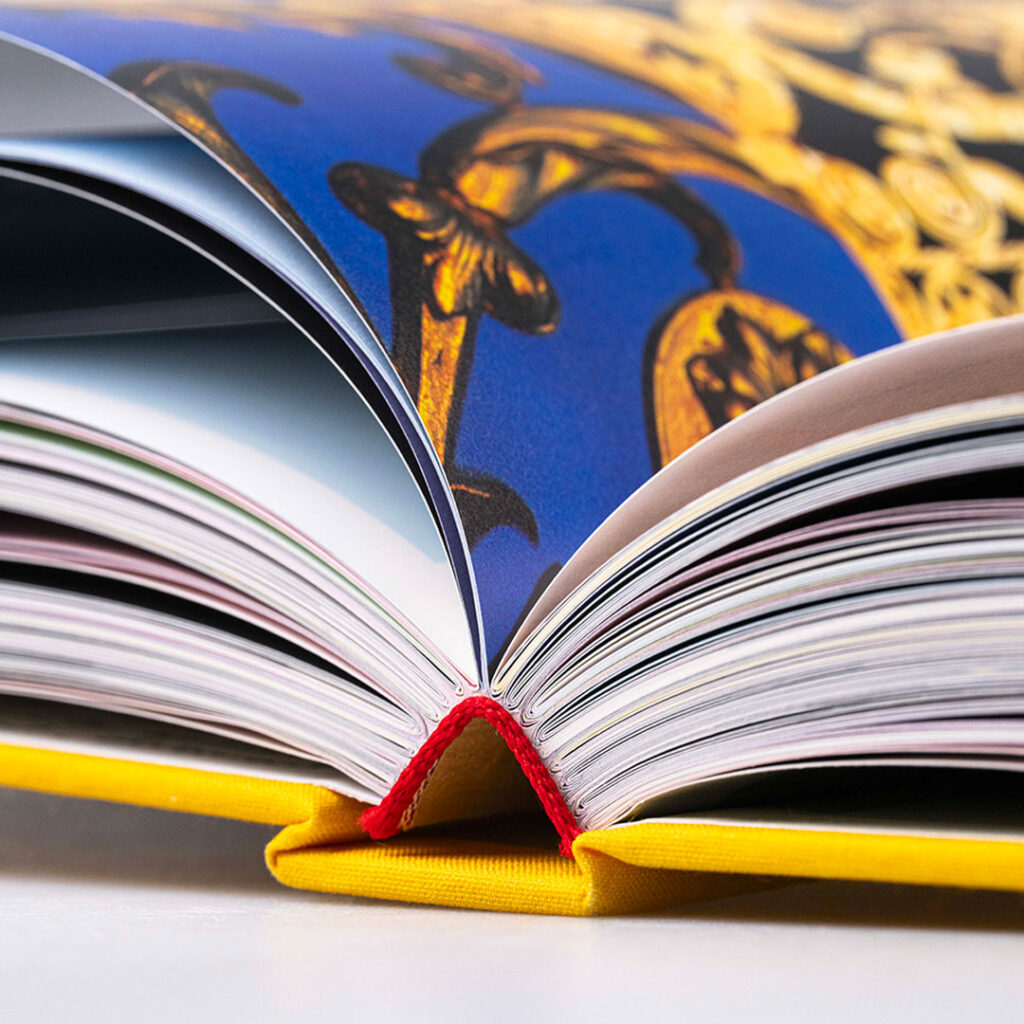
The most classic and prestigious type of bookbinding, traditionally associated with high-value editions.
Hardcover volumes with stitched sections are the most refined solution, ensuring strength, durability, and elegance.
Dutch binding
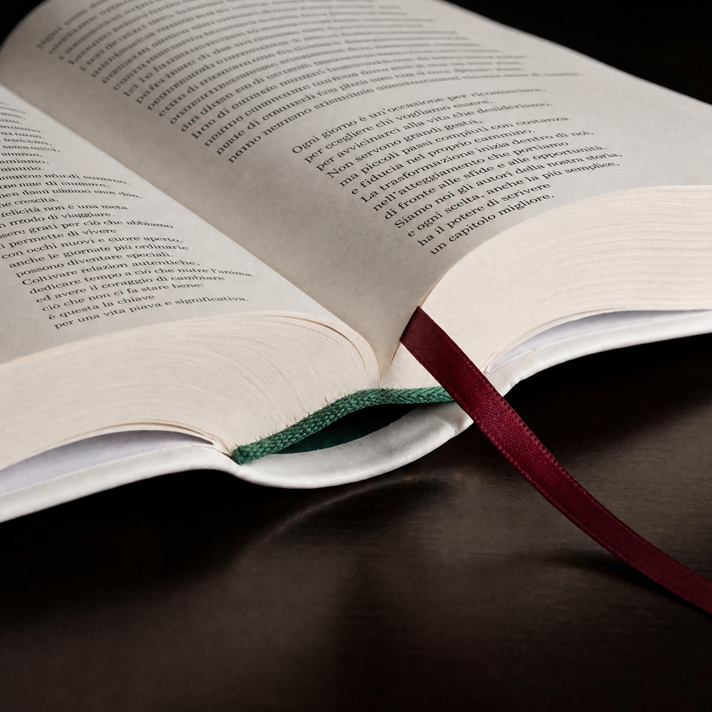
A perfect balance between hardcover and softcover binding. This flexible solution features inset book blocks like premium editions, combined with soft covers that give the book lightness and practicality while maintaining a refined appearance.
Swiss binding
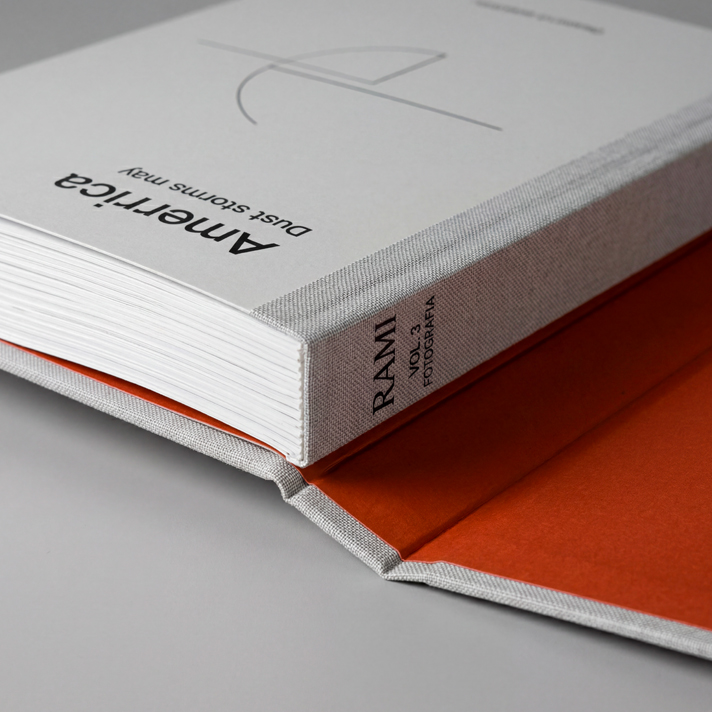
This binding allows the book to open completely flat thanks to the internal block being glued to a single endpaper.
The block, previously reinforced or perfect bound on the spine, leaves the first quadrant and the spine exposed. In some projects, the spine may also feature visible stitching.
Bodonian binding
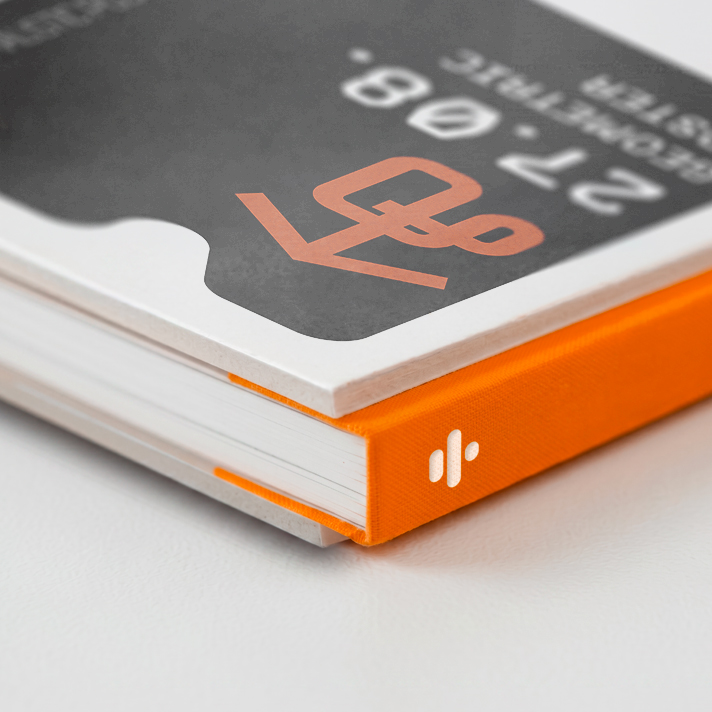
This binding combines a fabric spine with two cardboard covers, either flush-cut or wrapped, glued and partially overlapping the fabric.
In some projects, the spine can also be left exposed.
Visible spine binding
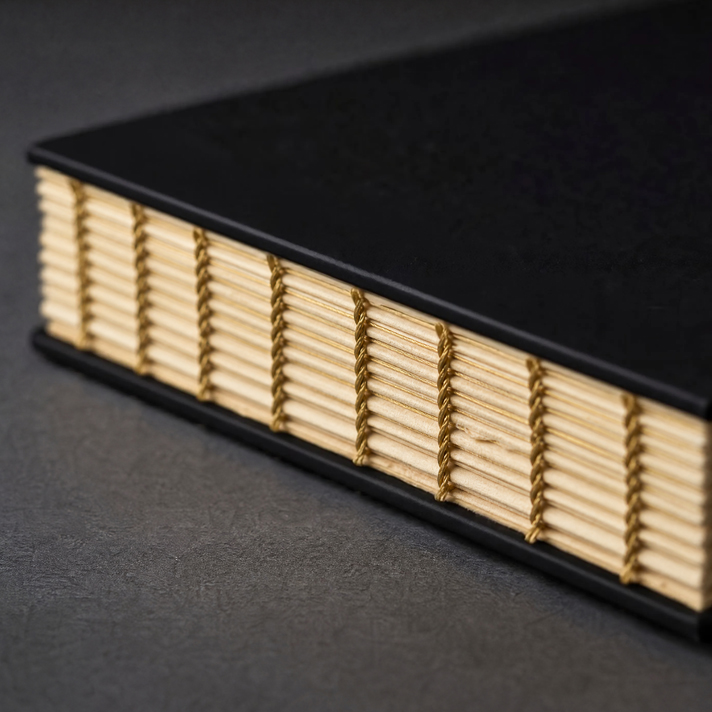
A binding style that does not conceal the thread-sewn spine beneath the cover, but instead highlights the signatures and stitching details.
Layflat 180° binding
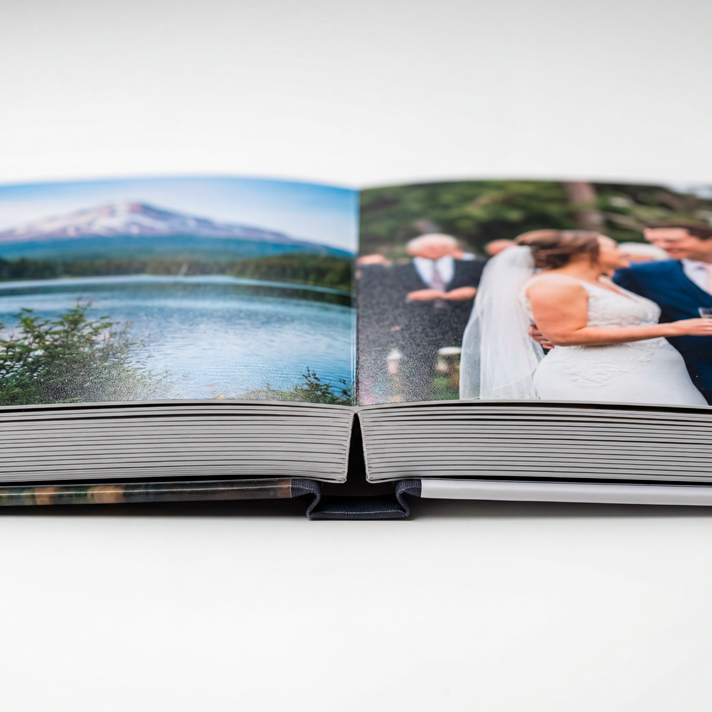
A technique used for photo books and catalogues that allows the book to open completely flat.
It removes tension from the spine, ensuring seamless visual continuity for panoramic photos or high-quality double-page layouts.
Otabind
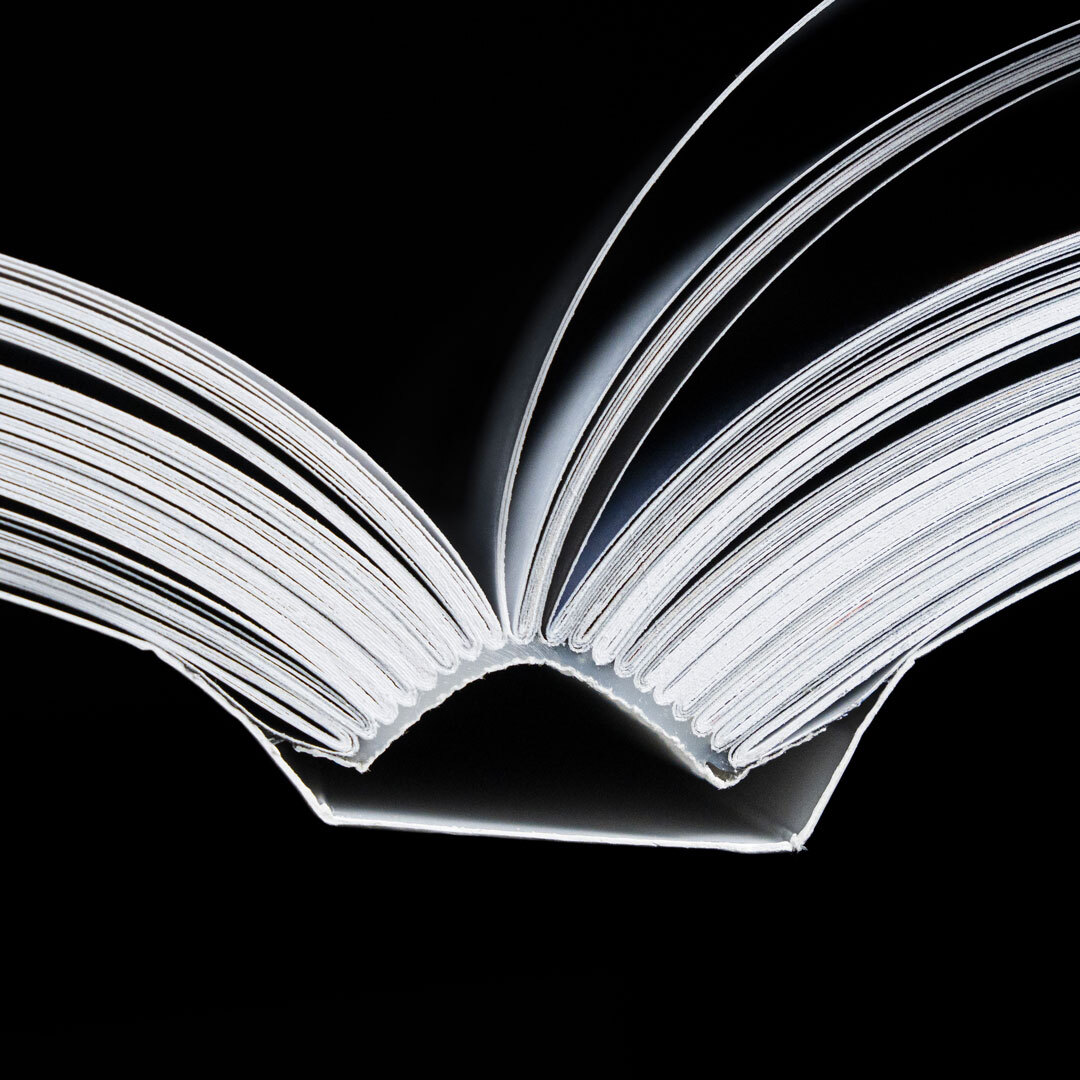
With this type of binding, the spine remains free, preventing damage caused by repeated opening.
It differs from standard perfect binding because the cover is glued only to the sides of the book block.
Oversized books
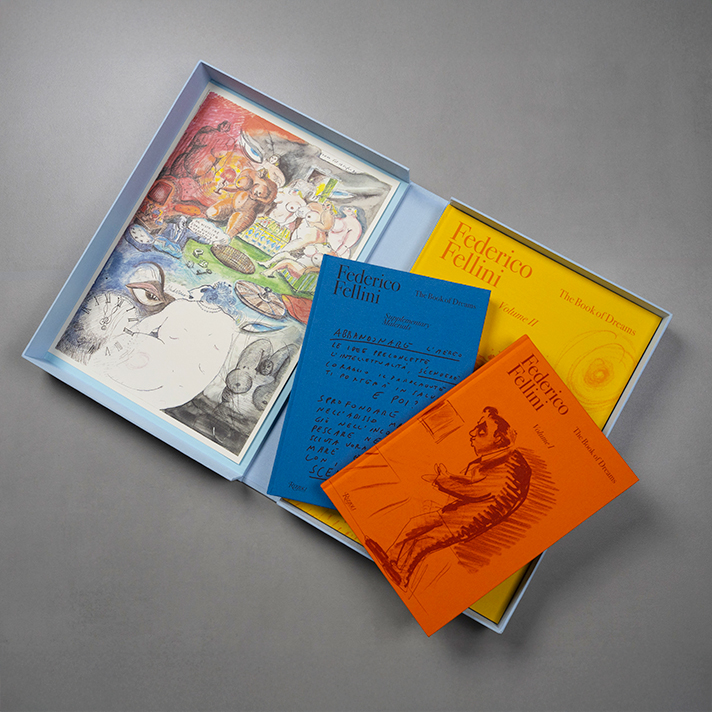
Hardcover or softcover books produced in larger or custom sizes compared to standard publishing formats.
They provide stronger visual impact thanks to rigid covers and durable binding, making them ideal for illustrated books, coffee table books, or special editions.
Slipcases
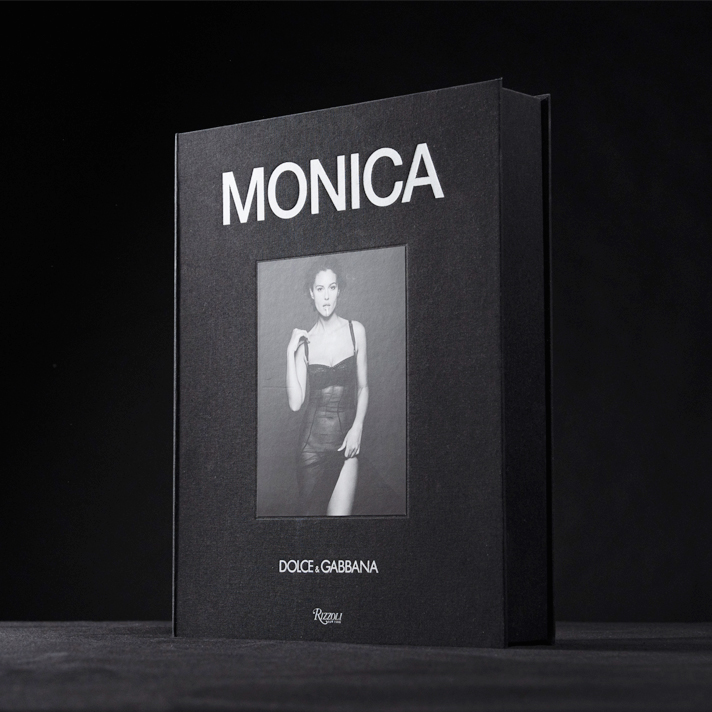
Rigid cases designed to contain one or more volumes, protecting them while providing an elegant and coordinated appearance.
They can be made from cardboard, paper, or premium materials, making them the ideal solution for limited editions, collections, or high-end gift sets.